DEPARTMENT OF MICROBIOLOGY
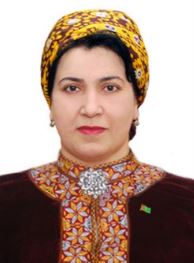
Head of the department of microbiology candidate of medical sciences M.K Annaberdiyeva
Address: Ashgabat c., Archabil avenue 18. Physiology building, 2nd floor, room 2322
Phone: (+99312) 48-99-21
e-mail: tdlutm@tdlu.edu.tm
The Microbiology Department was established in 1934. Today, the Department is supplied with the up-to-date equipment and modern apparatus, which contributes to the successful conduct of lectures and practical classes in Microbiology with the junior students of all faculties. The department has a museum of living cultures, a collection of micro- and immunobiological preparations (probiotics, bacteriophages, vaccines, immune sera, allergens, diagnosticums).The staff of the department has developed the textbook "Microbiology" for publication, teaching aids for various sections, created a fund of tables, albums, slides, videos and modules. Lecture and practical material is regularly updated and prepared for interactive presentation. An important link in the educational process of the department is lectures, which are provided with video films, animations in 3D format.The modules prepared by teachers for practical exercises contain a description of the learning goal, questions for self-control, types of independent work of the student, basic concepts for the topic, examples of situational tasks, test control, a list of recommended literature, additional material, including instructions for students on labor protection when working with crops microorganisms.The self-study work of students includes: preparation of micropreparations, their coloring and microscopy; sterilization methods and familiarization with sterilization equipment; principles of nutrient media preparation; determination of the sensitivity of microorganisms to antibiotics, the principles of setting serological reactions and their accounting. One of the important parts of the pedagogical process is digital learning, which allows controlling the comprehension of the subject by students. The portal includes educational and methodological materials and the results of the research work of the staff of the department, test control and situational tasks for students on various topics of the discipline, presentations of conferences, etc. In addition, students participate in international Olympiads through the distance education portal “Erudite. Online”, in particular, in the All-Russian Olympiad on the topic: “Fundamentals of Microbiology and Immunology”; “International Students Microbiology Olympiad”; “International Students Olympiad in Microbiology “Viruses”, “Medical Bacteriology” and “Medical Virology”, as well as in the International Olympiad in the subject “Microbiology” organized by the International Association of Educators. Repeatedly the members of our teams were awarded certificates of honor and diplomas, as well as letters of thanks sent to the department for preparing winners and prize-winners. The main direction of the research work of the department is the study of the antibacterial activity of local medicinal plants: common harmala, licorice, colored varieties of fine-staple cotton, wild mimosa, St. -research center of the university, departments of pharmacy, pharmacology, therapeutic and surgical dentistry. The teachers of the department participate in WHO seminars. Today, the certificates have been received on such topical themes as, “Introduction: COVID-19, methods of diagnosis, prevention, treatment and control”; “Respiratory infections”; “Protecting Occupational Health and Safety from the Ebola Virus”; “Preparing healthcare workers for vaccination against COVID-19”; “Drug-resistant tuberculosis: interpretation of the results of rapid genotypic tests”. Teachers of the department regularly speak at international conferences, research results are published in local and foreign publications. The microbiological student group established in 1934 is still active. Students regularly present their works at the meetings of the group, scientific and practical conferences, and participate in the competitions for young scientists.